
Spark Your Preschooler’s Imagination: The Ultimate Guide to Sensory Play & Sensory Bins
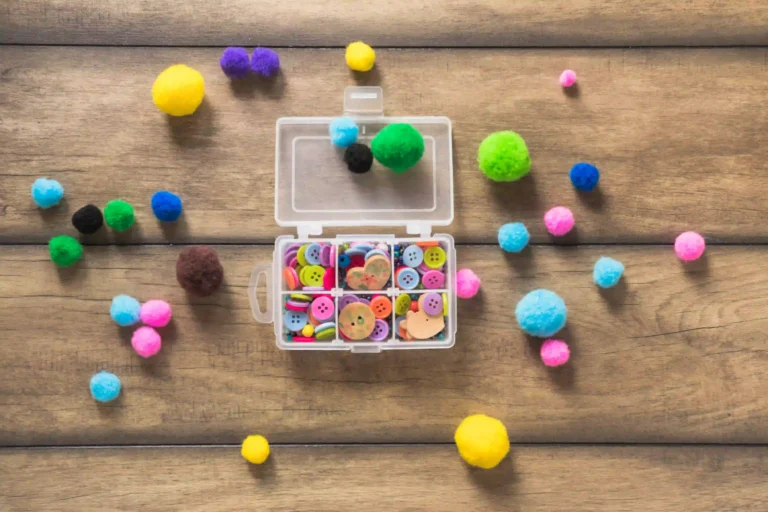
Sensory play is a significant way of sparking the imagination of the world for young children. Sensory play is play that engages the senses—touch, sight, hearing, smell, and taste. Hands-on learning strengthens brain development, coordination, early communication, and curiosity. For preschoolers, play activities are not merely enjoyable but also necessary to promote problem-solving ability, fine and gross motor skills, and vocabulary as they express their experience.
Some examples of sensory play activities are squishing playdough, exploration by texture through finger painting or slime, playing with water or sand, sorting toys based on size or color, and listening to various sounds. These activities help children learn about cause and effect, increase concentration, and acquire learning through natural curiosity.
Sensory play isn’t just messy fun — it’s brain-building work.
Here’s why it’s so powerful:
Encourages Cognitive Growth: Exploring textures, sounds, and materials helps children build neural connections that support learning and memory.
Supports Language Development: Describing how things feel (“squishy,” “rough,” “sticky”) strengthens vocabulary and communication.
Builds Fine and Gross Motor Skills: Pouring, scooping, squeezing, and mixing refine coordination and muscle control.
Boosts Emotional Regulation: Sensory play can calm anxious feelings, providing a soothing outlet for energy and emotions.
Promotes Social Interaction: Group sensory play encourages cooperation, sharing, and teamwork
Creating a Fun Sensory Bin at Home
A sensory bin is an empty bin filled with textured materials and tiny objects children can dig, scoop, pour, and explore with their hands. Follow these steps to create a sensory bin that amazes a preschooler:
Step 1: Choose the Ideal Bin
Select a shallow pail or large bowl with high sides to hold the materials. Transparent plastic tubs give children a chance to see all contained inside, while covered bins offer storage and potential reuse.
Step 2: Select a Safe and Engaging Filler
Routine fillers can include dry rice, lentils, beans, pasta, water beads, or sand. Rice is a favorite because it’s cheap, innocuous in small amounts, and easy to clean up. You can even dye rice with food coloring for themed colors.
Step 3: Add Fun, Themed Objects
Include small toys or items that fit a theme to inspire imagination. Plastic animals for a jungle bin, shells and fish for an ocean theme, or colored blocks for a rainbow bin are all great ideas. Include kitchen items like cups, spoons, and funnels for scooping and pouring.
Tips to Make the Sensory Bin Activity Exciting
Introduce Themes: Themed bins using seasons, holidays, or interests. For instance, a fall sensory bin with leaves and pinecones or a knight bin with toy knights and playdough letters.
Use Multiple Senses: Include smells like herbs or vanilla to engage the sense of smell, or water beads to provide a squishy feel. Sound from small bells or waterproof musical toys can also be included.
Foster Exploration: Don’t inform children that there’s one way of playing. Let them experiment, discover, and play around with the bin on their own. This enhances creativity and decision-making skills.
Modify Materials Around: To continue to maintain the activity engaging, modify the fillers and objects regularly. The alteration keeps preschoolers engaged and challenged.
Add Challenges and Games: For older preschoolers, include simple learning goals like sorting by color or size, matching shapes, or spelling with toys hidden in alphabetical order.
Safety and Cleanup
Keep preschoolers supervised at all times during sensory play, especially when using small toys that can be a choking hazard. Place a sheet or towel under the container to catch spills and make cleanup easier. Instill responsibility by involving children in cleaning up.
Sensory bins are an easy and cheap way to promote early development via play and to activate the imagination and curiosity of a child. Parents and teachers can create lots of happy experiences augmenting learning and pleasure using very few basic materials and imagination.