
Beyond the Classroom: Learning That Transforms Lives
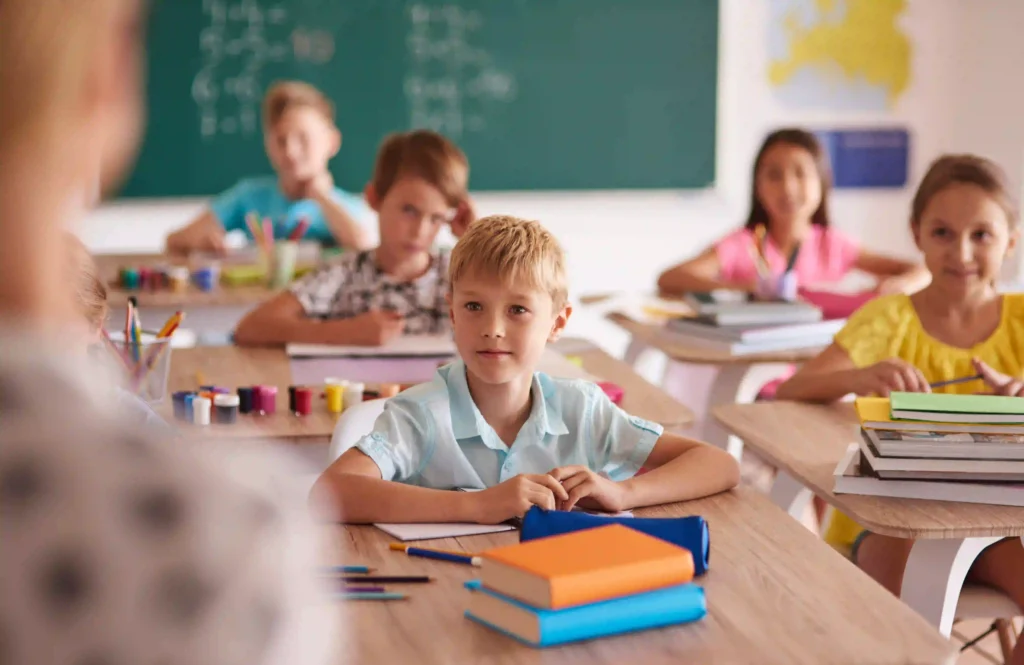
Education is not confined to four walls, a blackboard, or even a syllabus. True learning extends beyond the classroom, where experiences, challenges, and real-world interactions shape knowledge into wisdom. While traditional classrooms equip us with theory, it’s the practical application that makes learning unforgettable.
Experiential Learning: Where Theory Meets Reality
Imagine a high school student learning about ecosystems. In class, they memorize the food chain, photosynthesis, and biodiversity. But when they visit a local forest reserve, observing how plants and animals interact firsthand, the lesson transforms. Suddenly, concepts like “predator-prey relationships” and “interdependence” are no longer abstract—they’re alive, tangible, and memorable. This is learning beyond the classroom.
The Power of Internships and Field Work
Take the example of Maya, an engineering student. While textbooks taught her the fundamentals of renewable energy, it was her summer internship at a solar power plant that gave her a real perspective. She didn’t just calculate energy efficiency on paper—she worked alongside engineers, solved real operational problems, and learned the intricacies of teamwork and innovation. By the end of her internship, Maya didn’t just understand renewable energy; she experienced it.
Digital Classrooms and Global Connections
In today’s world, “beyond the classroom” doesn’t always mean leaving home.
Digital classrooms are reshaping the way students learn, making education more interactive, personalized, and accessible than ever before. By integrating technology into everyday lessons, students gain the tools they need to succeed in a rapidly evolving, digital world.
- Interactive Learning:
Digital classrooms use smart boards, tablets, and learning apps to make lessons more engaging. Interactive quizzes, simulations, and multimedia content help students visualize complex concepts and retain information more effectively.
- Personalized Education:
Technology allows teachers to tailor lessons to individual learning styles and paces. Students can revisit topics, access additional resources, or explore advanced material, ensuring that every learner progresses at their own speed.
- Collaboration and Communication:
Digital tools enable students to work together seamlessly, whether in the same classroom or remotely. Shared documents, online discussion forums, and video conferencing promote teamwork, idea sharing, and problem-solving skills.
- Real-World Skills:
By using digital platforms, students gain tech literacy, research abilities, and digital citizenship skills-essential for success in higher education and modern careers.
- Accessibility and Flexibility:
Digital classrooms make learning accessible anytime, anywhere, breaking down geographical and physical barriers. Students can continue learning even outside school hours or during disruptions.
- Data-Driven Insights:
Educators can track student progress in real time, identify strengths and weaknesses, and adjust instruction accordingly. This ensures more effective learning outcomes and helps every student reach their potential.
Digital classrooms are more than just technology-they are a dynamic learning environment that encourages curiosity, creativity, and critical thinking. By embracing these tools, schools prepare students not only to excel academically but also to thrive in a world where digital skills are essential.
Virtual exchange programs, webinars, and collaborative online projects allow students to interact with peers across the globe. For instance, a coding student in India might collaborate with a designer in Brazil to create an app—learning not just technical skills, but cross-cultural communication, adaptability, and problem-solving.
Why Going Beyond Matters
The world outside the classroom is unpredictable, complex, and constantly evolving. By stepping out, students develop critical thinking, resilience, creativity, and empathy—qualities no exam can measure fully. Education becomes more than grades; it becomes a toolkit for life.
Conclusion: The Classroom Without Walls
Learning beyond the classroom isn’t a luxury—it’s a necessity. Every field trip, internship, or global collaboration is a chance to convert knowledge into understanding and potential into action. The real magic happens when students experience the world, make mistakes, find solutions, and grow in ways that no textbook alone can offer.
So, the next time you think education is just about lectures and assignments, remember: the classroom is everywhere—sometimes under the shade of a tree, sometimes in the hum of a factory, sometimes in a virtual space connecting minds across continents.
The question isn’t *where* you learn— it’s *how far you’re willing to go*.